
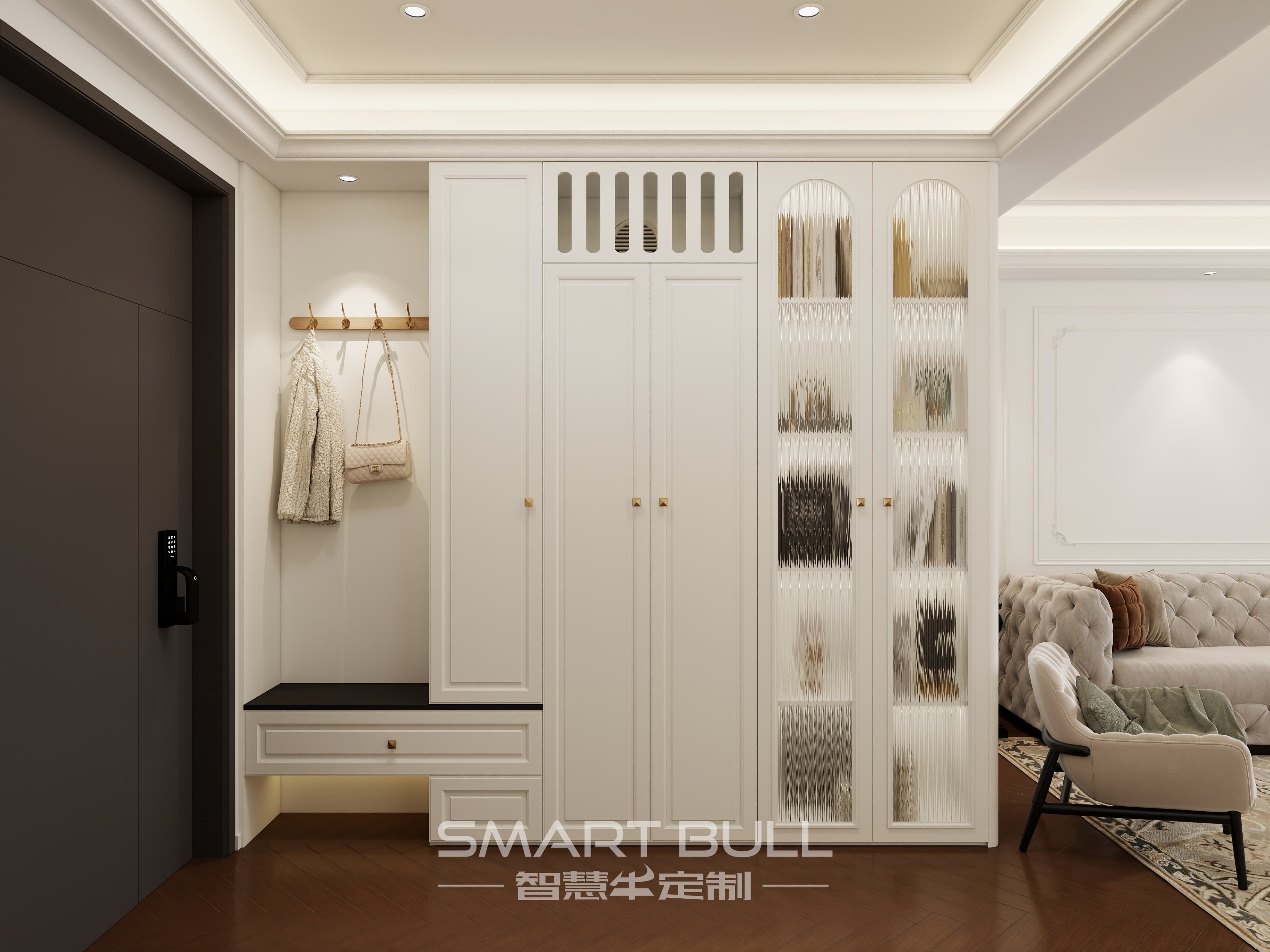
Transforming a standard HDB flat or condo unit into your dream home often starts with thoughtfully designed built-in furniture. Custom carpentry solutions seamlessly integrate functionality and style, especially in Singapore's compact living spaces. While exact cost figures fluctuate, understanding the core factors driving investment for 2026 can empower you to make savvy decisions for your renovation. This guide explores the essential considerations impacting your customized storage and furniture initiatives in the year ahead, tailored specifically for Singaporean homeowners.
Material Mastery: Choosing the Right Build for Climate and Budget
The bedrock of any cabinet addition starts with material selection. Popular in Singapore even today, laminated particle board (commonly known as chipboard) offers an initial outlay advantage and vast colour options. However, its susceptibility to moisture damage in humid conditions and lower lifespan are trade-offs to weigh. Solid wood, especially Malaysian hardwood like Nyatoh, provides robustness and durability but translates to a significantly higher overall investment.
For those seeking a middle ground, high-pressure laminates (HPL) applied over moisture-resistant medium-density fiberboard (MR MDF) present a resilient option. This combination offers better humidity resistance than basic chipboard. Plywood cores, particularly marine-grade for wet areas like kitchens, provide superior structural integrity. For contemporary finishes, laminates over aluminium or stainless steel frames, known for moisture immunity and sleek aesthetics, are gaining traction for specific applications like kitchen cabinets or island counters. Weighing upfront cost against longevity and maintenance needs in our tropical climate is crucial.
Navigating Space Constraints in Singapore Living
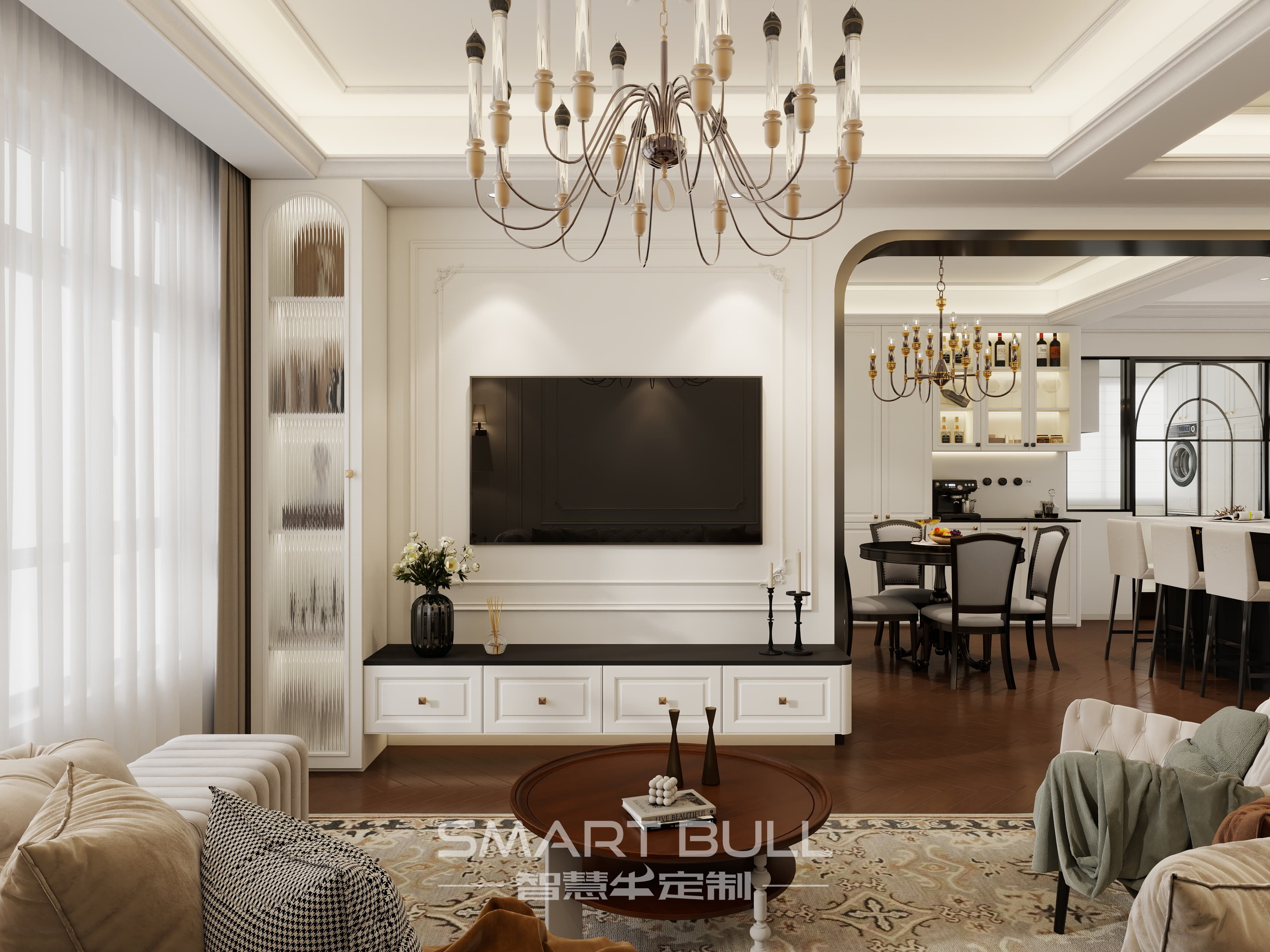
Maximizing every square meter often demands clever customization to address uniquely Singaporean layouts. For HDB BTO apartments, creating as much storage as possible within designated ledge walls and awkward corners is key. Experienced builders craft solutions to integrate with existing plumbing points and concrete beams.
Condominium projects, while potentially larger, require sensitivity to architectural features like sweeping windows or unique ceiling heights. Carpentry enhances usable space: integrating under-bed storage in small bedrooms, converting dead space under stairs into cabinets or study nooks, or designing floor-to-ceiling wardrobes that align perfectly with ceiling lines.
Beyond mere fitting, customization tackles lifestyle needs. Concealment solutions for bulky items like water heaters or home networking gear, hidden appliance garages for countertop tidiness, or specialized compartments for hobby collections all elevate daily living. Skilled tradespeople ensure these features operate smoothly and withstand daily use.
Anticipating Sustainability and Regulatory Shifts
Looking towards 2026, eco-conscious choices are set to become even more prominent in Singapore renovations. Styles specified by low-volatile organic compound (VOC) paints and adhesives align with stricter environmental standards.
There's a noticeable shift towards longer-lasting materials and designs intended for the long haul, reducing the frequency of replacements and lessening environmental impact. Studies increasingly point towards sustainable timber certification as a factor for some buyers.
Public flat owners must continue adhering to HDB's obligatory needs regarding permissible locations for carpentry additions to avoid impacting structural walls or creating hazards. Condo resident associations often have their own considerations regarding alterations to common property boundaries. Selecting providers well-versed in these regulations is non-negotiable.
Integrating Technology and Future-Proofing Your Home
Modern homes increasingly blend furniture with technology. When conceptualizing cabinetry in 2026, accommodating electrical points, structured cabling for TV/sound systems, and provisions for smart home devices becomes vital. Dedicated charging stations within cabinets, ventilation considerations for electronics like Wi-Fi routers, and pathways for cables are now standard planning points.
Flexible designs are also key. As household needs evolve—children grow, hobbies change, or working from home demands shift—build-ins should ideally offer some adaptability. Modular units within wardrobes, adjustable shelving systems, or designs that allow for easy modification later add value beyond the installation date.
Long-Term Care and Preservation Advice
Your investment warrants proper upkeep to ensure it lasts. While the robustness varies by material, core practices apply. Avoid prolonged contact with water, especially near edges. Wipe spills immediately. Regular dusting with a soft cloth prevents abrasive build-up.
For laminated surfaces, mild detergent and water suffice; avoid harsh cleansers. Solid wood benefits from occasional specialized wood care products. Check hardware like hinges and drawer runners periodically. Tighten screws if necessary and lubricate tracks to prevent squeaking or jamming.
Singapore's humid environment means vigilance against signs of moisture damage or wood-boring insect activity is essential. Early intervention can prevent further deterioration. Choosing materials inherently resistant to humidity provides long-term peace of mind.
Specially crafted built-ins redefine Singapore living spaces, merging utility with personal taste. By comprehending the significant factors influencing these projects—material science, space optimization, sustainability trends, integration necessities, and mindful maintenance—you can approach your 2026 renovation equipped with knowledge. Investing in well-designed adds not only expands usable area but imbues your home with uniquely personalized functionality intended to enhance daily life for many years.