
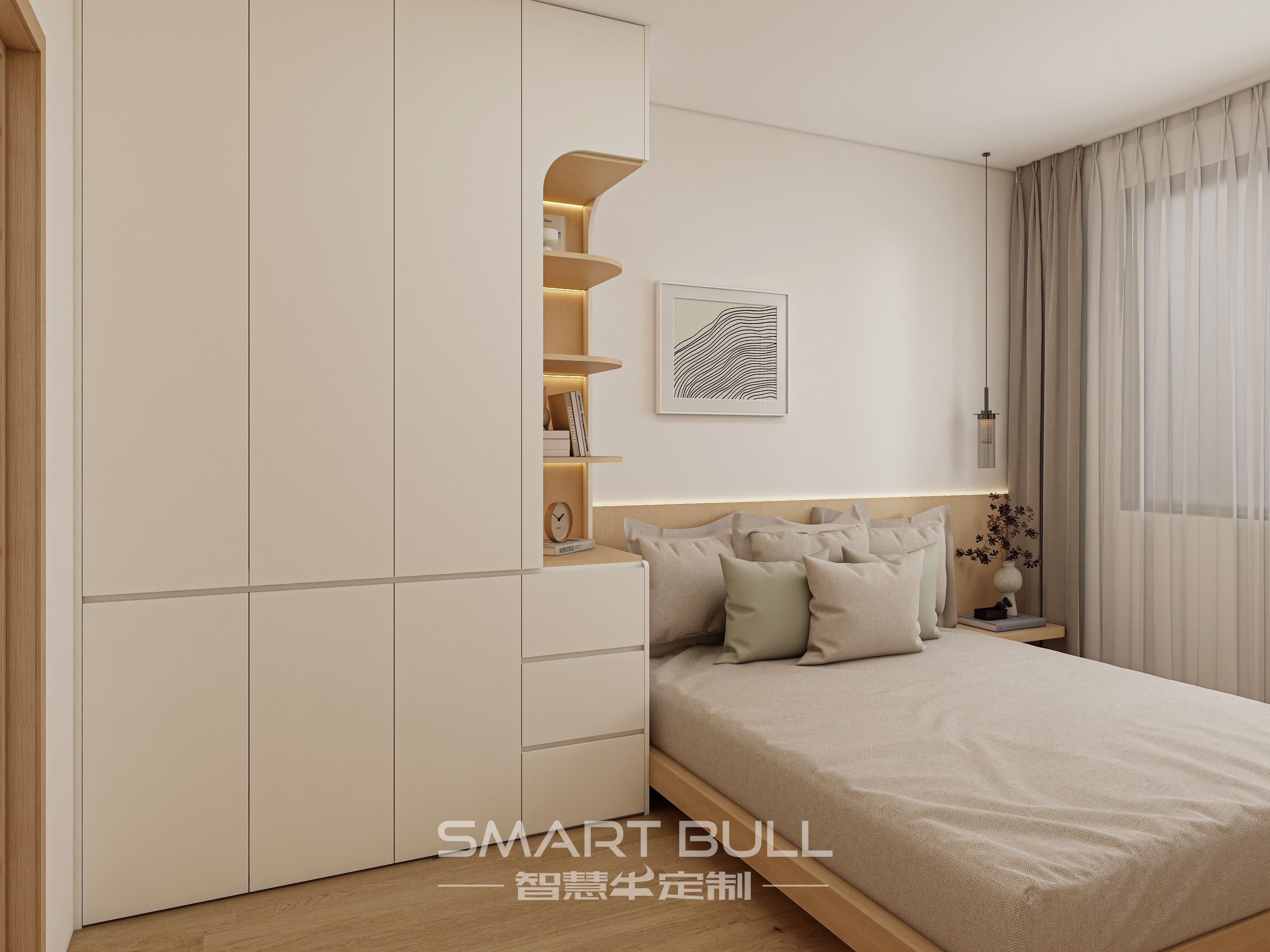
Budgeting for full-house built-in carpentry in Singapore starts with one decision most homeowners make too late: plan the storage by how you live, then price the materials to match, before a single board is cut. Carpentry is the largest single slice of a renovation spend, so the habits below are what keep a sensible plan from sliding into a painful one. The goal is not to spend less on worse cabinets — it is to put the money where the flat actually earns it and refuse the premiums that add nothing you can feel.
Map the storage before you price the carpentry
The first step is a storage map, not a room list. Walk each zone and write what goes in it: shoes, umbrellas and keys at the entry; cookware, dry food and cleaning supplies in the kitchen; hanging clothes, folded clothes, luggage and bedding in the bedrooms; electronics and documents in the living area. Carpentry exists to make the flat easier to organise, not to fill an empty wall, so the map decides the metre count before the quotation does.
Two planning rules stop overspend at the source:
- Coordinate electrical, lighting and carpentry as one plan. Move the bed and the bedside socket moves; shift the TV console and the data point behind it moves. Decide together or pay for rework.
- Lean on floor-to-ceiling built-ins. In a typical flat they lift a room's storage capacity by about 30 percent without taking extra floor, which means you buy less loose furniture later.
A BTO is a clean slate, so this map can be drawn before key collection. Use the months before handover to settle it, because a fixed plan is what lets a quotation stay fixed.
Set the carpentry share of the total budget
In a Singapore renovation, carpentry typically runs 40 to 50 percent of the whole spend — more than tiling, electrical, plumbing or painting combined. Treat that slice as the centre of the budget rather than a line item at the end. Once you know the carpentry share, the rest of the plan has something to push against.
Keep a buffer of 10 to 15 percent on top of the planned figure. Old flats hide surprises and even new ones throw a late decision your way, and the buffer is what absorbs those without a variation spiral. Stage the payments against milestones — a deposit, then tranches after hacking, after carpentry install, and at completion — and never release the full sum upfront. A staged schedule protects you if a trade underperforms, which a single upfront payment cannot.
Use tiered materials to stretch the dollar
The fastest way to overspend is to buy one premium grade everywhere. Match the material to how the surface is actually used, and the same budget reaches further:
- Kitchen and bathroom carcasses: an 18-millimetre plywood core with a laminate face outlasts solid wood in Singapore's humidity and costs a fraction of the timber alternative.
- Wet-area flooring: homogeneous tiles where water lands; porcelain in living and dining; vinyl in bedrooms you can refresh later.
- Board grade: specify E0 or E1 for enclosed bedrooms and behind the TV, where air sits still and off-gassing shows.
Solid timber and full-veneer doors are lovely but unnecessary on a cabinet back. Spend the saving on the substrate and the hardware you touch daily — soft-close hinges and sturdy drawer runs — and the flat feels premium without the premium bill.
Avoid the per-foot-run and variation traps
Carpentry is usually quoted per foot run, and the rate only means something once you know what it builds. Confirm in writing whether it covers upper and lower rows, the board grade, and the carcass thickness, because a low headline rate often excludes the second row or swaps in a weaker board. The quotation you compare must be the quotation you intend to pay.
Variation orders are the other leak. Any change after fabrication begins — a taller wardrobe, an extra drawer, a shifted counter — forces a re-cut and is repriced at a premium. Lock the full scope, including internal fittings, before a board is cut. If you are undecided, delay the project; a short wait costs less than a run of mid-build changes.
Time the project for real savings
When you book and build changes the price more than people expect. Reputable carpenters for a BTO are typically booked three to four months out by key collection, so engaging five to six months early secures the slot and the calm to finalise design. Custom fabrication then runs two to four weeks in normal season and longer around year-end and before National Day, when slots tighten.
Renovation demand dips in January to February and July to August, and scheduling the works in those windows eases both price and lead time. Pair that with off-the-shelf pieces in low-use rooms — a guest bedroom or study — and the carpentry budget concentrates on the kitchen, master wardrobe and entry where every centimetre is fought for.
Know when direct carpentry beats design-managed
For a BTO with a fixed plan, going to a direct carpentry workshop instead of a design-managed firm typically keeps 15 to 30 percent of the carpentry spend, because you drop the design fee, the management markup and the material referral commissions. That gap is real money when the spec is identical and the scope is locked.
The saving shrinks on a resale flat with structural works, old wiring or walls to hack, because you then want one party coordinating trades and holding the defects warranty. There, the management premium earns its keep. Read the situation honestly: clean slate and clear plan favours direct; complex scope favours coordination. Pay for the layer you actually need and skip the one you do not.
Read the quotation for what it excludes
A clean quotation answers the same questions every time. Run through them and only proceed when the answers are written down:
- Is the per-foot-run rate for both rows, with board grade and carcass thickness named?
- Are drawers, soft-close hardware and internal fittings inside the sum, not billed later?
- Is resale demolition and disposal, if relevant, in the same quotation as the new carpentry?
- Who positions the electrical and plumbing points, and who carries the defects warranty?
- Are payments staged against milestones rather than paid in full upfront?
HDB-registered contractors and BCA-graded firms answer these without hesitation. A quote that dodges them is the red flag, not the number on the first page.
Budgeting full-house built-in carpentry without overspending is less about finding the cheapest rate and more about refusing the costs you cannot see. Map the storage first, set the carpentry share with a buffer, tier the materials to real use, and write the board grade and fittings into a locked scope before fabrication. Time the slot, send the straightforward BTO direct and the complex resale to coordination, and read every quotation for what it leaves out. Do that and the figure you approve is the figure you pay — and the cabinets you get are the ones your flat actually needed.