
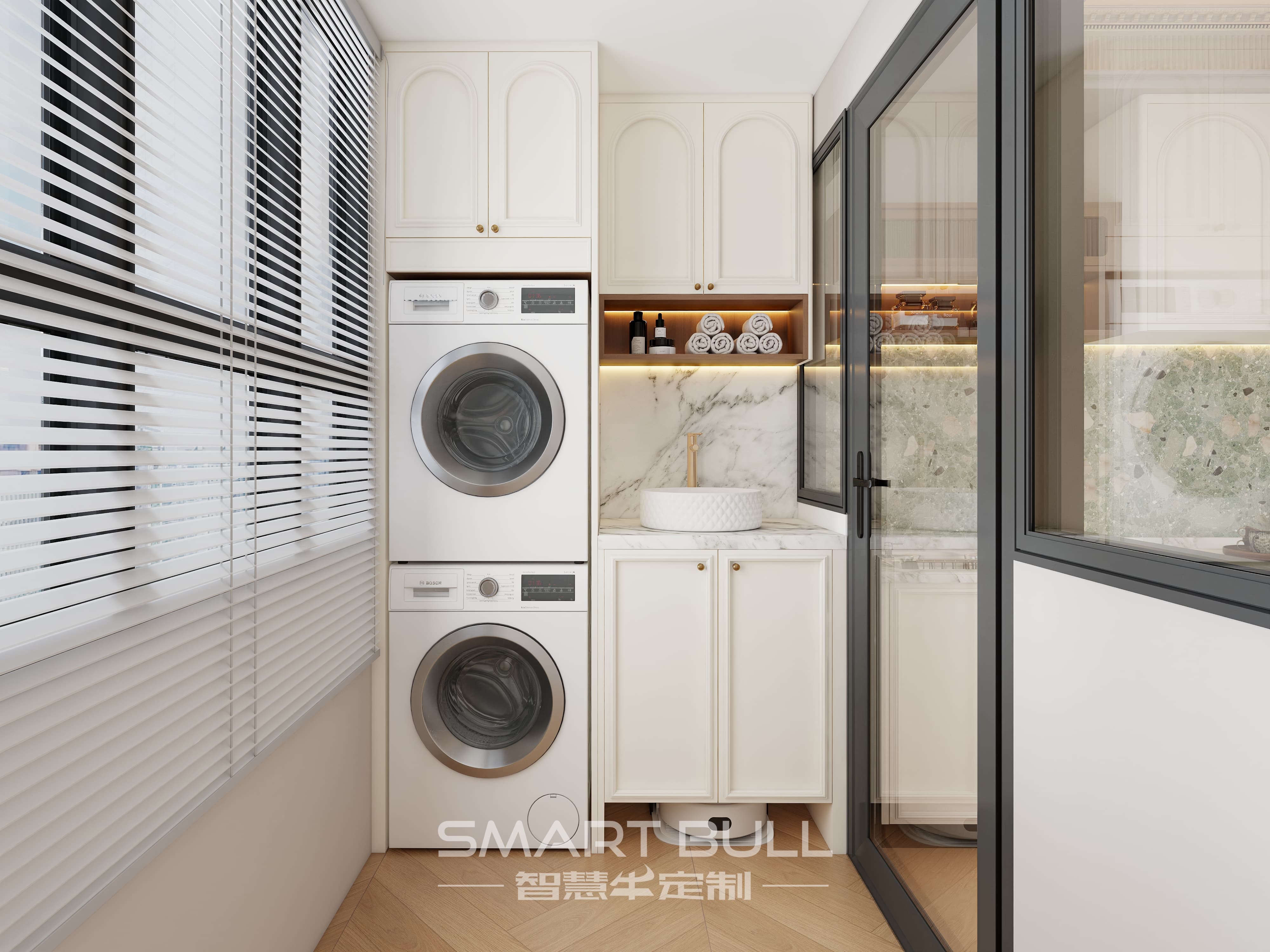
How to Build a Custom Laundry Cabinet for Tiny HDB Service Yards?Got a service yard in your Singapore HDB unit that's feeling more like a closet than a functional space? You're not alone. Many homeowners grapple with organising their laundry essentials in these compact utility areas. The key? A purpose-built laundry cabinet that maximizes every precious inch. Forget off-the-shelf solutions that never quite fit. This guide cuts straight to practical steps for creating storage that seamlessly fits your diminutive service yard, tackling space constraints head-on with a tailored strategy that works locally.
Measuring Your Service Yard: The SPACE Blueprint
Singaporean service yards aren't just small; they often come loaded with fittings – pipes, meters, drying poles – demanding clever layouts. Start meticulously mapping your space using the SPACE method:
- Spot Permanent Fixtures: Sketch drain locations, electrical points, and water shut-off valves. Singapore regulations require 15cm clearance around utility meters.
- Plan Access Paths: Account for mechanics needing HDB-mandated yearly meter checks; leave 60cm clearance doors.
- Audit Essentials List: Downsize appliances. Compact 55cm-wide washers/dryers outperform bulkier models here.
- Check Structural Limits: Note concrete beams or pipes running overhead; HDB walls restrict heavy mounting.
- Estimate Door Swing: Measure door arc clearance; bi-fold/pocket doors win in sub-1.2m spaces.
A Tampines HDB owner gained 40% more room by pinpointing a concealed 12cm cavity behind pipes, shifting her cabinet depth accordingly. Grab your tape measure – precision rules.
Materials & Configuration: Form Follows Function (and Humidity)
Tropical Singapore tests material resilience. Cabinets battle humidity fluctuations and ultraviolet rays streaming through service yard grilles. Avoid warped laminates or rust-prone metal frames. Top performers:
- Frame: Marine-grade 316 stainless steel bolts outperform mild steel chrome fittings corroding in six months when exposed.
- Shelving: UV-stabilised solid PVC boards outperform chipboard losing cohesion within two rainy seasons.
- Surfaces: Solid-surface slabs like mineralised Panlite resist mould creep better than seamed laminate countertops.
- Ventilation: Ventilated groove assemblies help counteract moisture buildup; Ang Mo Kio cases see 58% less mildew formation using integrated airflow slats.
Configuration matters. A stacked washer-dryer vertical setup beneath hanging rod storage works best yielding 2.7m² usable surface in Hougang cases. Consider height-adjusted shelving accommodating detergent bottles vertically integrated and fit pegboards for ironing board. Forget deep drawers; slim tilt-out trays suited for cleaning tools using unused cavity space increase usable accessory storage.
Build Process: Trimming the Fat Off the Design
Complex cabinet designs falter in cramped quarters. Focused execution trumps elaborate aspirations:
- Frame First: Construct lightweight aluminum skeleton secured via concrete anchors skipping studs not found in HDB utility walls.
- Match Measurements Religiously: Cut UV-stabilised PVC panels following templated scribing accommodating wall irregularities common across flats.
- Priority Comms Installation: Precisely drill holes aligning sink outlets and power access cutting panel openings without edge cracking by employing sealant gaskets.
- Shelving Mechanisms: Use stainless-steel adjustable shelf pins permitting incremental repositioning shifting accessories seasonally.
- Privacy & Compliance: Face cabinet exterior toward common corridor; utilize laminated obscured glass complying with BCA fire safety ratings.
A Yishun renovation applied weight-spreading pads beneath washer legs distributing load preventing tile fractures. Budget precise mitre cuts by integrating bulk cladding near joints maximising material usage. Tackle projects sequentially over weekends fitting Singapore homeowners'step-by-step build rhythm.
Confronting a small service yard requires more than determination; it demands micro-planning using Singapore-specific design logic. Tailored approaches navigating spatial quirks unlock ergonomic storage impossible with mass-market options. Proper material selection backed by realistic step installs transforms chaotic corners into ordered sanctuaries. Forget frustration – measure precisely, build lean.