
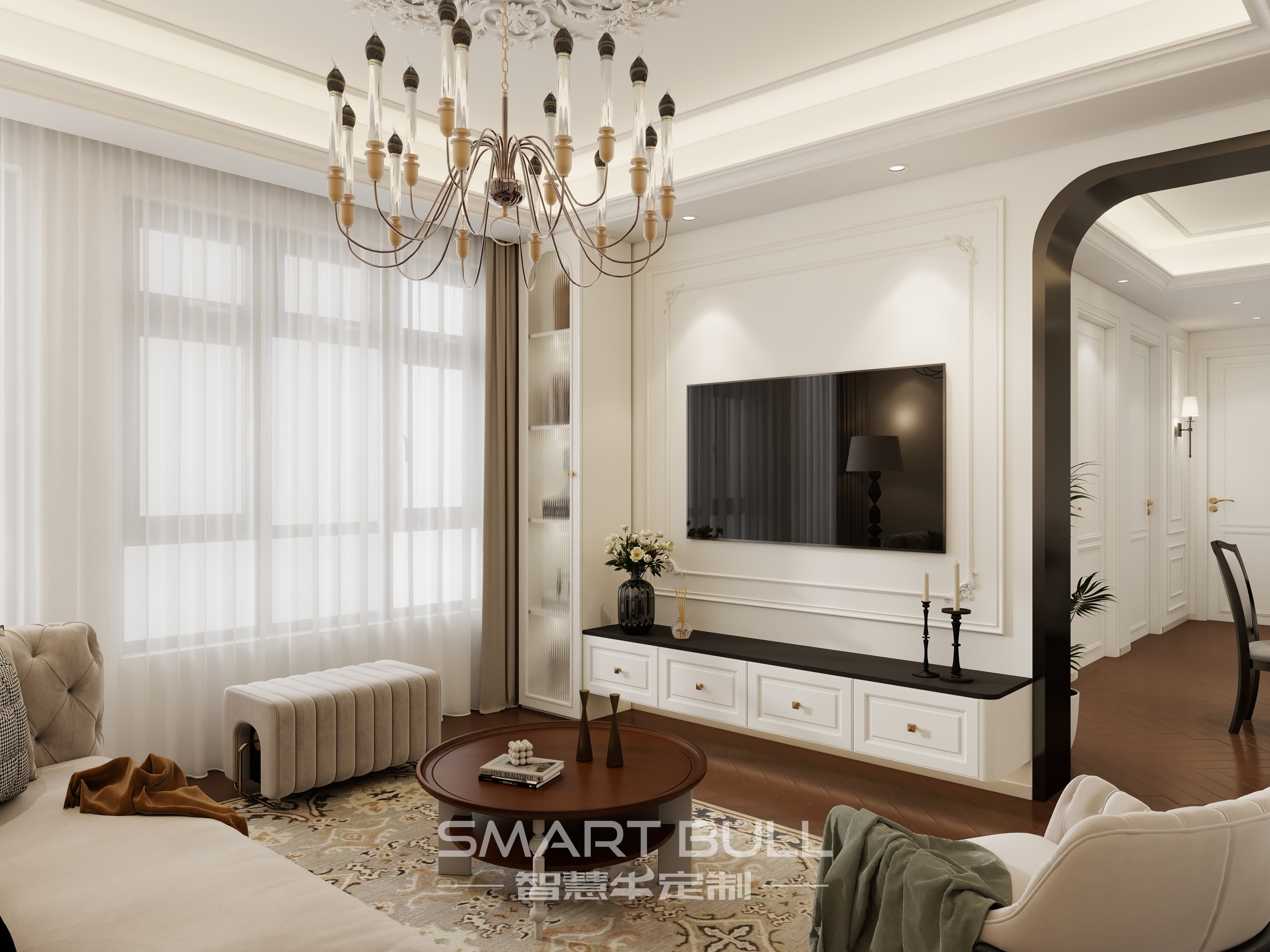
How to Build a Sturdy Floating TV Console for Your HDB Living Room?The HDB flat is the heart of Singapore living. With space often at a premium, the desire for sleek, functional, and clutter-free design drives many homeowners towards built-in solutions. One increasingly popular feature? The floating TV console. It promises a streamlined look, easing cleaning underneath, and maximising precious square footage in your living room. You might be asking: "How do I make sure the floating TV console I dream of isn't just stylish, but genuinely sturdy and safe?" Let's break down exactly how this is done, specifically tuned for the nuances of HDB construction and Singapore's interior design needs in 2026.
Understanding Your HDB Wall and Construction Needs
This isn't DIY guesswork. The absolute foundation (literally!) of a sturdy floating console is understanding what your wall can actually hold. HDB walls typically fall into two categories:
Identifying Wall Types:
- Solid Concrete Walls: These are your best friends for heavy mounting. Your typical structural walls backing onto bathrooms, service yards, or hallways. They can handle significant weight when anchored properly.
- Hollow Brick Walls (Partition Walls): Much more common internally within the living/dining area. Many newer flats feature lightweight blocks. These cannot support heavy floating consoles using simple plugs. Your TV plus all the AV equipment can easily exceed the safe load limit for standard anchors in this material.
The Critical Practice: Load Calculation and Locating Studs
Step 1: Do the Weight Maths
- Your actual TV weight (check the manual).
- Streaming boxes, soundbars, game consoles.
- The substantial weight of the console carcass itself (solid timber? Plywood?).
- Add 20-30% as a safety buffer.
Step 2: Be Your Own Bathroom Sherlock
- Tap the wall. Sound hollow? Much deeper echo? Likely lightweight material.
- Solid sounds are sharp and shallow.
- Use a Stud Finder: Invest in a reliable one. Scan the wall horizontally at your desired console height. Mark where the studs (usually vertical timber frames behind the plasterboard) are located on the hollow wall. These studs (timber or metal) offer anchoring points similar to concrete.
Without securing into either concrete or studs for hollow walls, your floating dream could become a safety hazard. This rigorous assessment is non-negotiable.
Choosing the Perfect Materials: Durability Meets Style
The material impacts not just the final look, but crucially, its long-term strength in Singapore's climate. Here's weighing your main options:
Solid Timber:
- Pros: Unbeatable natural beauty and longevity if properly treated. Oak, Teak, or Chengal offer inherent hardiness.
- Cons: High cost per linear foot; extreme sensitivity to temperature and humidity shifts – warping and cracking are risks without careful climate control (near AC often helps) and precise installation planning.
Plywood (Specifically Furniture-Grade):
- Pros: The practical choice for most robust floating consoles. Stronger and more dimensionally stable than solid timber across layers; economical; readily available; accepts clear laminate finishes beautifully for a clean look.
- Recommended Grades: MR (Moisture Resistant) or BWP (Boiling Water Proof) plywood is preferred here over standard plywood due to Singapore's humidity. Baltic Birch is prized for stability.
- Cons: Edge grain remains visible unless treated with iron-on edge banding or solid timber edging.
Engineered Laminates:
- Pros: Vast array of colours, textures (offices often use HPL/CPL, matte for homes is preferred now), highly resistant to scratches and moisture.
- Cons: Requires a robust substrate (like plywood underneath); seamless laminating is precision work best done by experienced hands.
The 2026 trend leans hard towards engineered laminates applied on plywood carcasses for most clients – offering the best balance of durability, humidity resistance, modern aesthetics, and value. For genuine solid timber, it's more common now with select panels integrated for warmth, paired with a plywood base.