
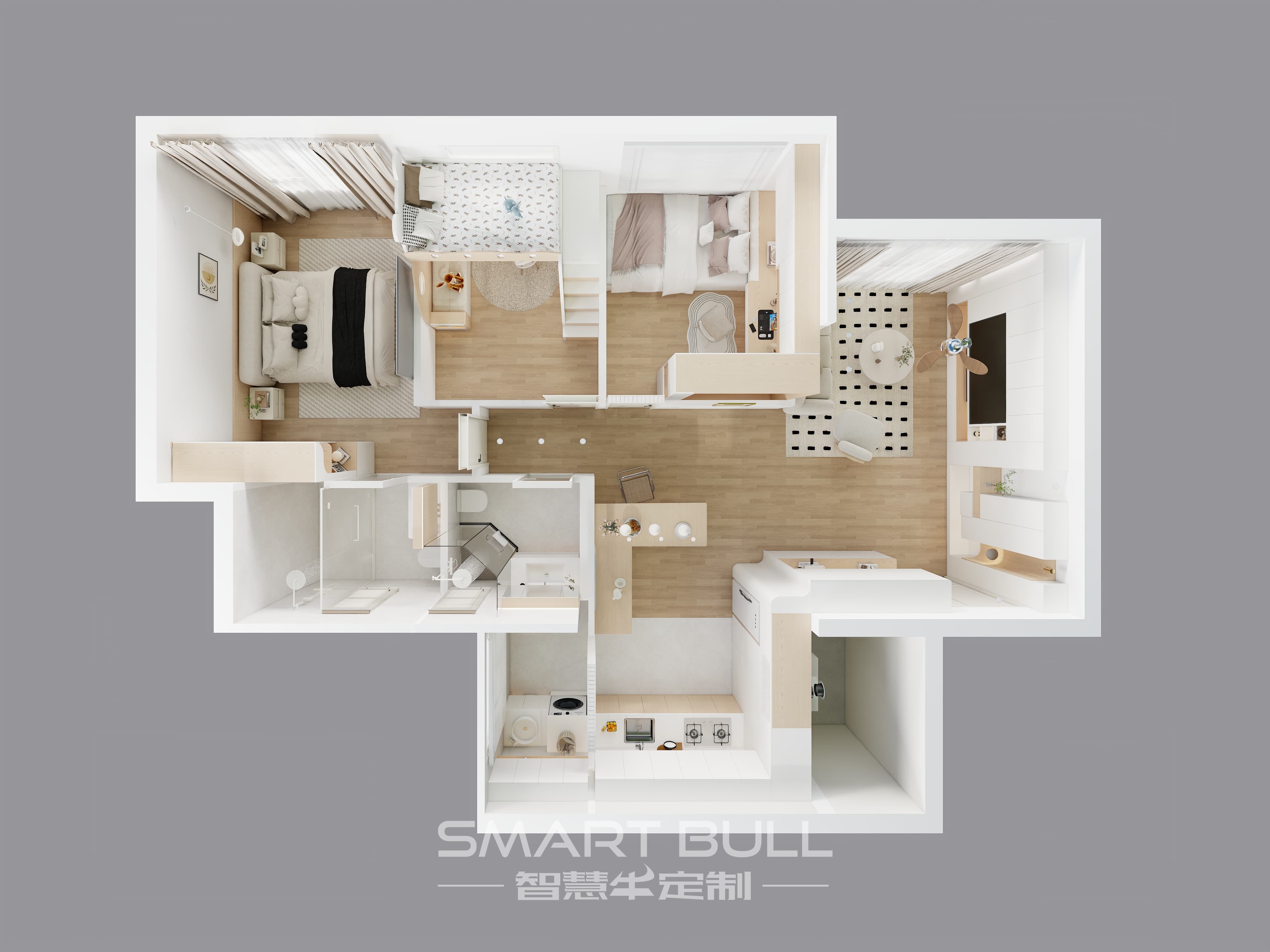
Moving into your first 4-room BTO flat in Singapore is exciting. However, customizing your space with furniture that fits perfectly and matches your style often feels overwhelming. Wondering how to get everything you want without the bill turning into a nightmare? It's entirely possible! Strategic planning is your best defense against overspending on furniture. We'll walk you through the essential steps Singapore homeowners take to achieve functional, stylish spaces without their finances taking a hit.
Calculate Your Budget Framework
Begin forming your budget by understanding current market costs—don't rely on old quotes. Costs for materials, labor, and shipping have shifted. Allocate funds across major areas: living room (around 30% of your total furniture budget), kitchen cabinetry (25%), bedrooms (including wardrobe systems, 25%), and essentials like storage doors or feature walls (20%).
Experts suggest reserving at least 12% of your total budget purely for unexpected situations. Costs can overrun—quality glitches may need resolving, or you might fall in love with a premium material upgrade mid-project. Build this buffer into your initial calculations.
Next, create a detailed spreadsheet listing each customization goal per room. Assign estimated costs for materials (e.g., solid wood versus laminate vs engineered wood for wardrobes) and labor. Research hourly rates for carpenters and installers based on recent projects submitted for BTO keys. Inflation affects these numbers—use current figures. Update this tracker throughout the project.
Identify Spending Priorities Room-by-Room
Not every room requires equal financial investment. Smart homeowners focus resources where they deliver maximum impact—both aesthetically and functionally. Singaporeans typically prioritize kitchens due to heavy daily use and complex—fittings. Sturdy cabinetry with soft-close hinges, durable countertops suitable for tropical cooking environments, and integrated appliances create a worthwhile hub for the family.
Master bedroom wardrobes come next. Efficient space utilization matters in Singapore, where flat layouts are standardized. Floor-to-ceiling designs maximize storage in confined areas, reducing unused gaps. Focus spending on optimized internal organizers (drawers, full-sized hanging sections, shoe racks) that suit your lifestyle—reduce visible components to save money.
In the living room, seating and entertainment units are focal points. Investing in comfortable, durable sofa frames makes sense—it's heavily used. Consider more economical units for niche decor walls or occasional display cabinets. Secondary bedrooms—kid's rooms, guest rooms—offer opportunities with modular solutions offering flexibility as needs change over time.
Harvest Savings with Smart Purchase and Material Choices
Thoughtful material selection cuts costs substantially. Did you know applying specific laminate finishes to engineered wood achieves virtually the same visual effect as high-gloss acrylic panels—but at 50-60% lower cost for cabinet doors? For countertops, quality laminates instead of quartz or granite in dry zones perform well aesthetically while conserving funds. Use model details for accurate quotes.
Purchase timing leverages discounts. Retailers often run significant promotions aligned with BTO key collection waves. Schedule initial purchase deposits during these sale events—lock-in favorable rates months before installations occur. Alternatively, demand precise group buy discounts when bringing neighbors into the project.
Bypass unnecessary markups by working directly with established workshops possessing HDB renovation licenses. These local manufacturers skip fancy showroom fees, incorporating competitive pricing into designs customized for typical Singapore layouts. Verify their portfolios—solid quality exists without showrooms.
Explore Government reassurance options: The HDB Home Improvement Programme occasionally offers targeted subsidies. Check your eligibility annually—grants might reduce overall expenses if you qualify. Proper loan structuring matters too.
Customization Without Compromise: Space-Savvy Model Examples
Consider layouts tailored for efficiency: placing wardrobes spanning entire walls opposite bed setups reclaims precious floor space, minimizing obstructive standalone furniture. Adding corner storage units beside entrance walls prevents clunky shoe cabinets in compact entryway areas.
Jenny completed her Punggol North Horizon project using these steps. Aiming to outfit her key rooms without exceeding her $18,000 allocation, she focused major investments: her kitchen took $6,500 for durable yet affordable vinyl-wrapped cabinets, quartz-simulated surfaces, and integrated organizers obtained during a group buy. Her master bedroom utilized $4,600 on a custom wardrobe seamlessly melding with its positions—she opted for elegant laminates mimicking oak effects instead of real wood cladding.
Secondary bedrooms featured modular shelving ($2,800) accommodating evolving study/storage needs, while her living zone blended investment seating ($2,200) with cost-effective open shelving constructed using leftover timber pieces wisely repurposed. Practicing disciplined spending allocation and strategic material choices allowed her to finish under budget—with $1,000 comfortably leftover to manage unexpected small handling fees.
Creating a dream home fulfilling personal preferences doesn't mean emptying your accounts. Distinguish essential furniture upgrades from unnecessary extras. Harness data on Singapore's fluctuating prices, prioritize spending based on lived reality, and tap realistic savings solutions—you transform space wisely without regret. Finding craftsmen that align with these values turns challenges into rewarding triumphs.