
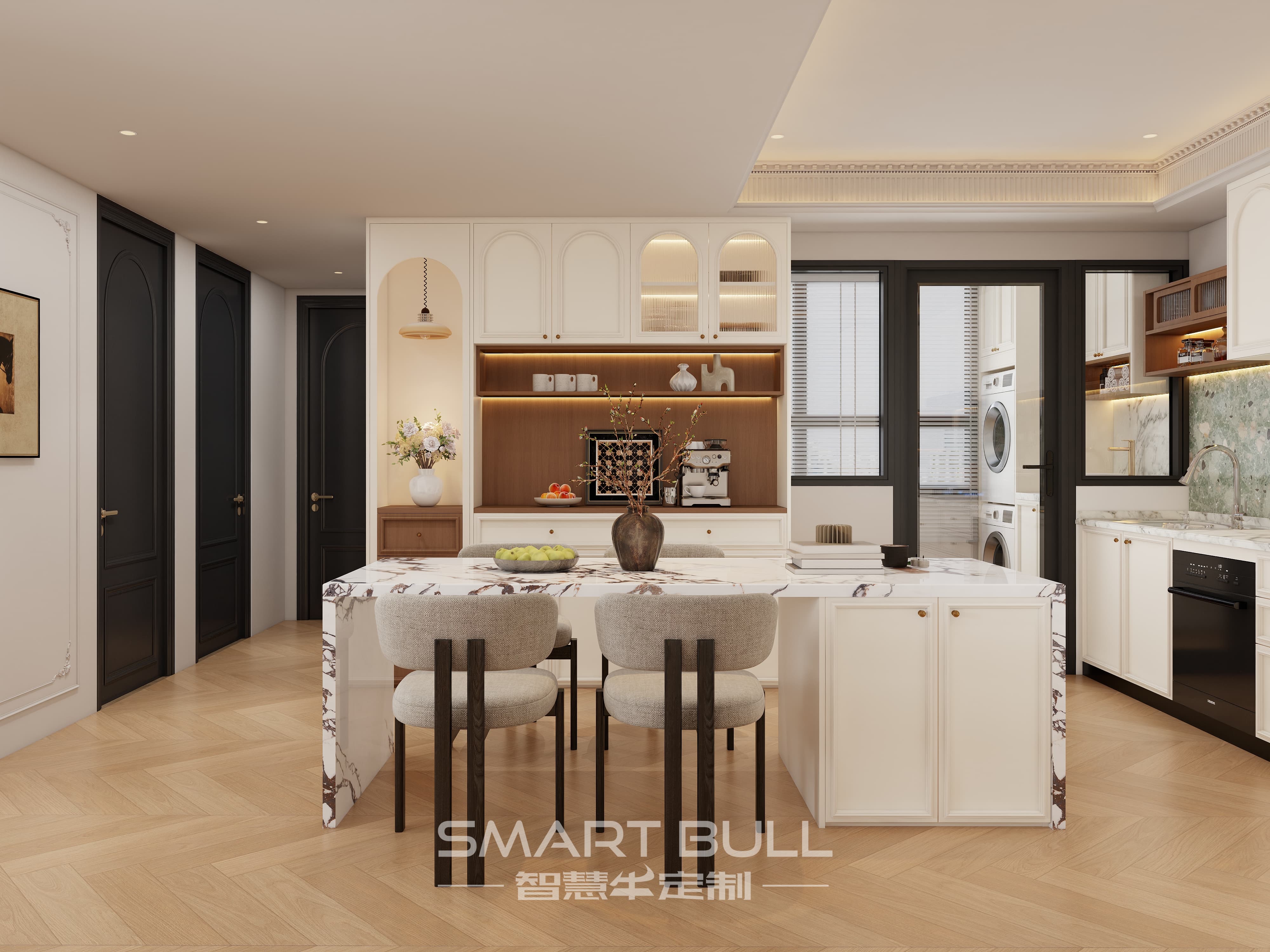
Singapore homeowners love the sleek, seamless look and maximised storage of built-in cabinets, fitting them into flats and condos nationwide. But our tropical paradise's constant high humidity and various determined pests pose significant challenges to maintaining these installations in top condition. Preventing mould growth and warding off destructive termites? That's absolutely essential for cabinet longevity and good quality interior space. This guide, drawing on local expertise, unpacks practical prevention strategies relevant for Singapore homes to keep your lovely interiors clean and critter-free.
I. Combating Humidity: Your Frontline Defence Against Cabinet Mould
Mould thrives where moisture lingers. Ignoring it leads not only to unsightly black splotches but can also compromise cabinet materials, degrade your belongings internally, and even affect air quality, particularly triggering allergies. Tackling Singapore's relentless humidity (consistently averaging above 80% RH) is key. Here's how to fortify your cabinets:
A. Control Indoor Humidity: Invest in dehumidifiers, especially for less ventilated areas like store rooms or those away from windows. Comfortable indoor RH levels fall between 50% and 60%; use hygrometers to monitor. Air conditioning also significantly removes moisture; run it consistently, don't just blast it for cooling then switch off. Consider climate control systems that manage humidity directly.
B. Prioritise Ventilation: Never block ventilation grilles built into the cabinet design. Ensure sufficient space (a few centimetres) between custom installations and walls, allowing air movement. Utilise passive vents or small exhaust fans inside enclosed cabinets holding damp-prone items like linens.
C. Select Protective Materials: Opt for treated laminated boards common locally, which offer superior moisture resistance compared to direct-contact raw wood. For painted finishes, high-quality plastic laminate skins are highly effective barrier layers. Seal cuts, drips, and joints meticulously during construction.
D. Daily Care & Routine Checks: Wipe down surfaces promptly after water spills occur, including condensation inside cabinets housing water heaters, valves or pipes. Clean with gentle, non-abrasive solutions periodically. Crucially, inspect plumbing located behind cabinets regularly for leaks – neglected pipes are a primary moisture intrusion source. Schedule checks with HDB or your condo management if plumbed externally, or alert your own contractor immediately upon noticing damp patches, softening materials, or that characteristic musty smell.

II. Fortifying Against Termites: Protecting Cabinets from Silent Invaders
Termites are a pervasive issue across urban Singapore, savouring cellulose-based materials. Those well-crafted custom cabinets? They're an inviting feast if not proactively safeguarded. Subterranean and drywood termites cause substantial, often hidden damage in structures. Prevention is infinitely preferable to expensive repair work later.
A. Targeted Material Selection: Choose engineered wood (like Marines Ply or MR Plywood) treated specifically against termites at the factory. Alternatively, composites like Medium Density Fibreboard (MDF) designed for termite resistance are valid considerations. Incorporating solid metal framing (aluminium/carbon steel) offers inherent protection. Avoid using raw, untreated timber directly within structures vulnerable to hidden access points.
B. Surface Treatments & Protective Barriers: Apply specialised wood preservatives rigorously, particularly at cut ends, joints, and areas around pipes penetrating the cabinet frames before final assembly occurs. For comprehensive protection, install physical termite diaphragms beneath the cabinet base to block the primary upward access route.
C. Eliminate Food Sources & Access Points: Never stash cardboard boxes or untreated paper long-term inside cabinets; they attract drywood termites. Avoid stacking raw wood scraps nearby post-construction disposal.
D. Regular Professional Inspections: Engage licensed pest control specialists annually for inspections focusing on internal walls abutting cabinets and concealed structural voids. Early detection saves cabinets potentially requiring replacement. Request a thorough assessment when observing mud-like high-walled tubes along skirtings or signs of unexplained wood frass particles accumulating.
III. The Integrated Approach: Merging Moisture and Pest Defence
Mould prevention and termite deterrence aren't separate struggles; they often overlap, influencing each other. For instance, persistent dampness may create optimal conditions wood pests favour. Building cabinets effectively requires synergy:
A. Prioritise Smart Cabinet Placement & Design Philosophy: When primarily planning layouts, avoid situating extensive cabinetry directly against external walls prone to direct driving rain saturation exposure or drawing indoor colder surfaces that easily create condensation points. Design built-ins allowing some level of air gap at their back surfaces. Design things like concealed backing ventilation routes internally around existing plumbing.
B. Sealing Excellence Throughout Execution: Imperfect sealing causes failures. Ensure contractor competence performing thorough sealing along every connection point, pipe penetration route, and joint using reliable polyurethane-type sealants or waterproofing membranes applied locally. This prevents damaging moisture ingress and removes potential dark pathways termites exploit internally.
C. Rigorous Quality Control & Surface Integrity: Perform timely inspection for implementation quality well before the 'handover' happens. Watch particularly for cracks forming over time; these need prompt resealing. Guarantee applied protective layers remain intact; surface damages enabling moisture entry require immediate remediation.
D. Localised Maintenance Climates: Understanding local building structures is crucial. Different approaches might apply marginally tighter sealing for internal strata spaces within condos versus potentially addressing differing pipe access protocols incorporated in common areas of HDB/BTO estates. Keeping up with Singapore-specific environmental notices regarding unusual rainfall events or prevailing wind conditions matters.
Crafting lovely custom cabinets in Singapore brings elevated living experiences currently available to many homeowners across the island. Sustainability depends significantly on comprehensive construction planning plus ongoing homeowner awareness tackling locally prevalent threats proactively. Don't just focus on aesthetics; equally focus upon defensive measures implemented professionally designed embedding protection right inside its core structure utilising optimum materials. That commitment ensures cherished belongings stay dry, interiors stay fresh, and unwelcome visitors remain definitively barred entry into your built-in sanctuary space.